

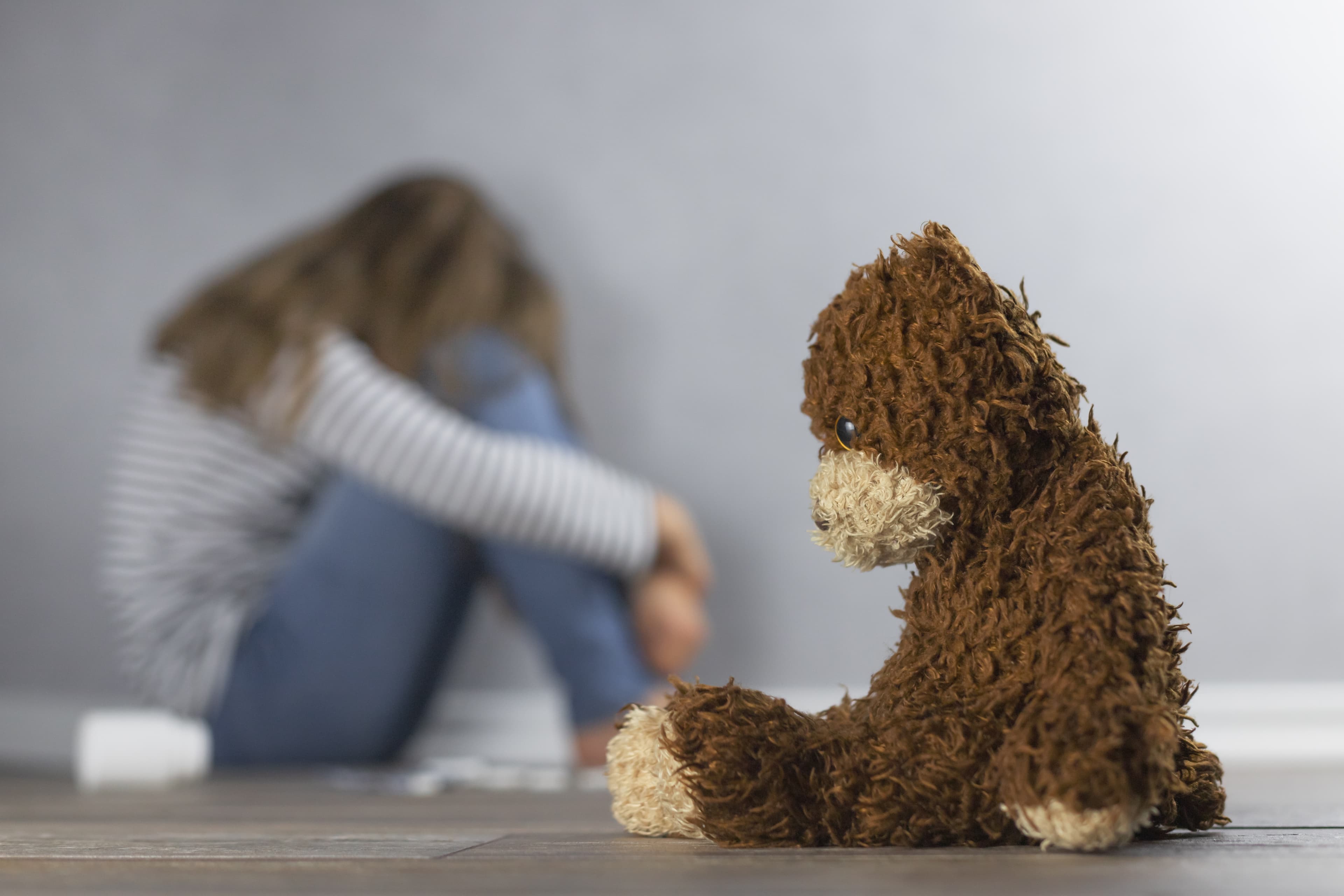
Every April, Child Abuse Prevention Month serves as a national reminder of the importance of protecting children from abuse, neglect, and exploitation. The month focuses on education, awareness, and prevention, encouraging families and communities to create safer environments where children can grow and develop without fear of harm.
Child abuse can take many forms, including physical abuse, emotional abuse, sexual abuse, and neglect. While many people associate abuse with family settings, abuse can also happen in institutions such as schools, churches, youth organizations, treatment centers, and juvenile detention facilities. These environments often involve adults in positions of authority, which can make it harder for children to speak up or be believed.
Child Abuse Prevention Month is about more than recognizing abuse after it happens. It is about understanding how abuse develops, identifying warning signs early, and creating systems of accountability that reduce the risk of harm. Prevention starts with awareness, but it also requires action from parents, educators, healthcare providers, and community leaders.
Protecting children is a shared responsibility. The more informed adults are, the better equipped they are to recognize risks and respond when something feels wrong.
Why Does Child Abuse Prevention Awareness Matter?
Child abuse prevention awareness matters because abuse often continues in silence. Many children do not immediately disclose abuse, especially when the person harming them is someone they trust or someone who holds authority over them. Fear, confusion, manipulation, and shame can make it difficult for children to explain what happened or ask for help.
Awareness helps adults recognize patterns that may otherwise be dismissed. A child who suddenly becomes withdrawn, anxious, aggressive, or fearful may be responding to trauma. Changes in school performance, sleeping habits, eating patterns, or emotional regulation can also be warning signs.
Awareness also helps families identify grooming behaviors. Grooming often involves an adult building trust with both the child and the family before gradually crossing boundaries. This process can make abuse harder to recognize because it often starts in ways that seem harmless or even helpful.
The more adults understand these warning signs and behaviors, the more likely they are to intervene before abuse escalates. Prevention often begins with recognizing subtle changes and taking them seriously.
How Does Child Abuse Happen in Institutional Settings?
Institutional settings can create opportunities for abuse when supervision, policies, or reporting systems fail. These are places where children often spend significant time and where adults hold authority over them.
Examples of institutional settings where abuse may occur include:
Schools
Religious organizations
Youth sports programs
Residential treatment centers
After-school programs
Institutional abuse often involves preventable failures, such as:
Ignoring complaints from children or parents
Failing to conduct background checks
Allowing unsupervised access to children
Covering up misconduct to protect reputations
Reassigning accused staff instead of removing them
These failures can create patterns where abuse continues for months or even years. Religious organizations, in particular, have faced widespread scrutiny over abuse allegations involving children. Similar concerns have emerged in youth treatment centers and juvenile facilities where children may be isolated from outside support.
Understanding how institutional abuse happens can help families ask important questions about supervision, safety policies, and reporting systems in the programs their children participate in.
What Are the Warning Signs of Child Abuse?
The warning signs of child abuse are not always obvious, but significant changes in behavior, emotions, or physical health may indicate that something is wrong.
Behavioral warning signs may include:
Sudden withdrawal from family or friends
Loss of interest in activities
Increased fearfulness
Aggressive behavior
Avoidance of certain adults or places
Physical warning signs may include:
Unexplained bruises or injuries
Frequent complaints of pain
Changes in hygiene
Sleep disturbances
Signs of neglect
Emotional warning signs may include:
Depression
Anxiety
Isolation
Regression to younger behaviors
Sudden mood changes
In cases involving sexual abuse, children may also display age-inappropriate sexual knowledge or behavior. They may become unusually protective of their privacy or reluctant to be alone with certain adults.
One warning sign alone does not confirm abuse. But when several signs appear together or a child's behavior changes significantly, it may be time to ask questions, seek guidance, or contact the appropriate professionals.
Who Is Required to Report Child Abuse?
Many states require certain professionals to report suspected child abuse. These individuals are known as mandatory reporters and play an important role in protecting children when warning signs or disclosures arise.
Mandatory reporters often include:
Teachers
Doctors
Nurses
Therapists
Social workers
School administrators
Childcare workers
In some states, clergy members may also have reporting obligations, though those rules vary.
Mandatory reporting laws generally require professionals to report reasonable suspicions of abuse, even if they do not have definitive proof. The goal is to ensure trained investigators can assess the situation and intervene if necessary.
Parents, caregivers, and community members can also report concerns to child protective services or law enforcement. Reporting can feel overwhelming, especially when there is uncertainty, but acting on concerns may help prevent continued harm.
Knowing when and how abuse should be reported can help families act quickly when a child may be at risk.
What Are a Child's Legal Rights After Abuse?
After abuse occurs, families are often left trying to understand what protections exist and what steps they can take to protect their child moving forward. Children who experience abuse may have legal protections and options designed to help them recover and stay safe.
A child's legal rights may include access to:
Medical care
Counseling and therapy
Protective services
Criminal investigation
A criminal case focuses on prosecuting and punishing the person responsible for abuse. Civil legal action is different. It can provide a path toward accountability and financial recovery for the harm a child has suffered.
In some cases, civil claims may involve not only the person who committed abuse but also institutions that failed to protect the child. For example, if a school ignored complaints about a staff member or a youth organization failed to properly supervise volunteers, the institution may face legal responsibility.
Civil claims may help families recover compensation for therapy, medical care, and long-term trauma-related support. They may also help uncover patterns of negligence or misconduct within institutions, which can protect other children from future harm.
How Long Do Families Have to File a Claim?
The amount of time a family or survivor has to file a civil claim after child abuse depends on state law. These deadlines, called statutes of limitations, determine how long legal action can be brought.
In child sexual abuse cases, many states have changed these laws in recent years after recognizing that trauma often delays disclosure. Children may not fully understand what happened to them until much later, and many survivors do not feel safe enough to talk about abuse until adulthood.
Several factors can affect filing deadlines, including:
The survivor's age
The state where the abuse occurred
The type of abuse involved
Whether the abuse was recently discovered
Whether state laws have changed
Some states have created temporary legal windows allowing older claims to move forward. These changes reflect a broader understanding of how trauma affects disclosure and reporting.
Because these laws vary and can change, timing is an important part of protecting legal rights. Families who are considering legal action may benefit from learning about their options as early as possible.
Where Can Families Find Support?
Families dealing with child abuse often need support from multiple sources. Recovery may involve emotional care, legal guidance, educational support, and advocacy services that help children feel safe and heard.
National organizations can provide valuable information and assistance. Child Welfare Information Gateway offers educational resources on child safety, reporting abuse, and trauma-informed support for children and caregivers.
National Children's Alliance helps connect families with child advocacy centers across the country. These centers often coordinate medical professionals, therapists, child advocates, and investigators to reduce the stress children may experience during the investigative process.
Families may also find support through:
Local therapists
School counselors
Pediatricians
Child advocacy centers
Community support groups
Healing after abuse often takes time, and strong support systems can make a meaningful difference for both children and families.
No family should have to navigate the aftermath of abuse alone.
Talk to Help Law Group About Your Family's Legal Options
When a child experiences abuse, families are often left with difficult questions about what happened, whether it could have been prevented, and what options may be available moving forward.
In institutional abuse cases, legal action can help uncover failures such as ignored complaints, poor supervision, or inadequate safety policies. Holding institutions accountable can be an important step toward preventing similar harm to other children.
Help Law Group works with survivors and families to evaluate whether a civil claim may be possible and what next steps may make sense based on the circumstances.
If your family is looking for answers after child abuse, Help Law Group offers free, confidential case reviews.
Contact Help Law Group today to learn more about your legal options.