

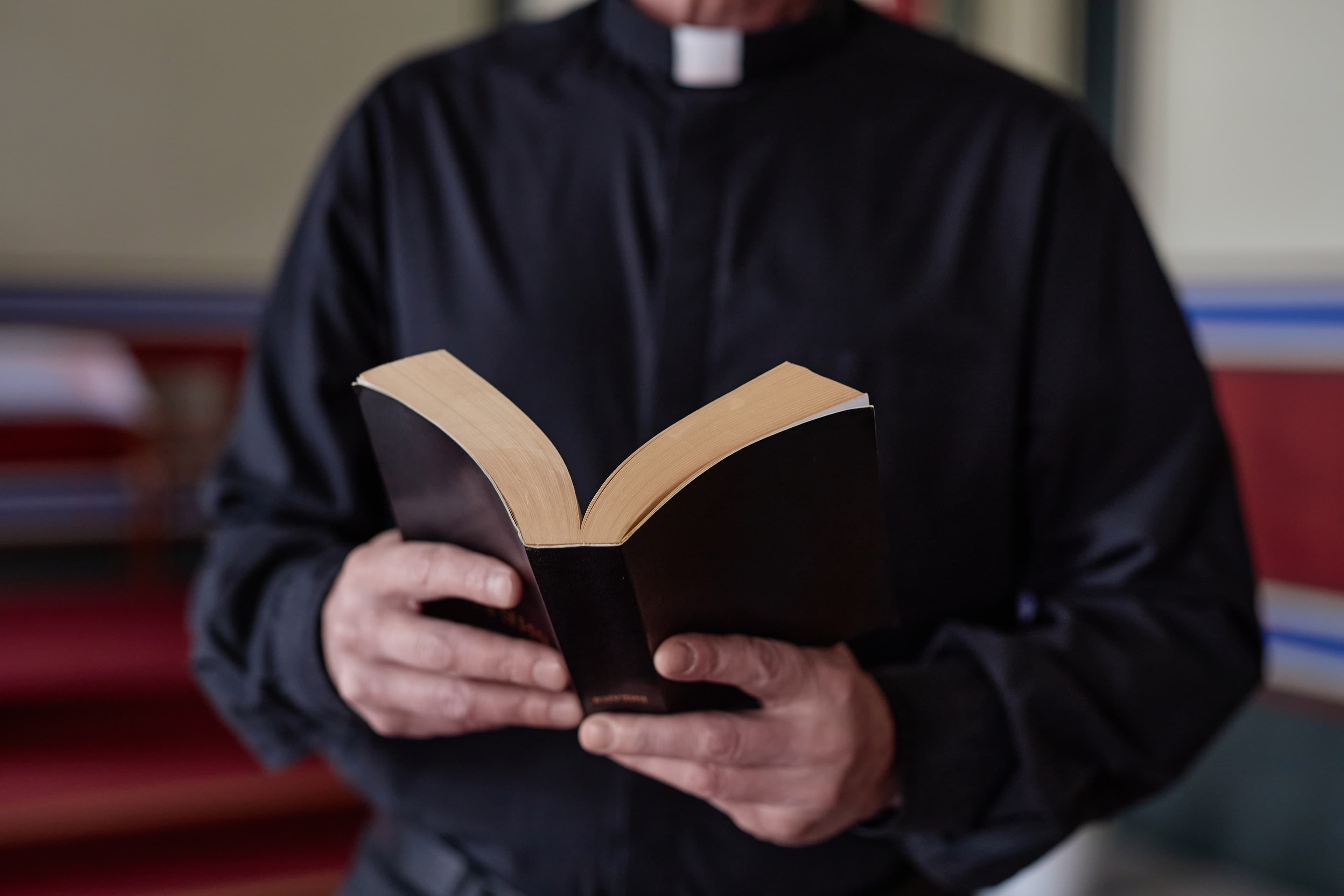
Church sexual abuse cases often involve more than one abusive act by one individual. Lawsuits filed across the United States have alleged that church leaders received reports of abuse, failed to warn families, transferred clergy members to new assignments or allowed accused individuals continued access to children.
A growing number of survivors have pursued civil claims against religious institutions as well as individual abusers. In many cases, the central issue is whether church officials had opportunities to prevent abuse and failed to act. A church sexual abuse lawsuit may seek to hold a church, diocese, religious order or affiliated institution responsible for decisions that allegedly enabled abuse to continue.
Investigations by journalists, prosecutors and survivor advocacy groups have uncovered decades of internal church records documenting complaints against clergy members in multiple dioceses. Resources maintained by BishopAccountability.org have compiled thousands of records, reports and public disclosures involving clergy abuse allegations.
What Counts as a Church Abuse Cover-Up?
A church abuse cover up generally refers to actions by church leadership that concealed abuse allegations or failed to respond appropriately after learning about misconduct. In civil litigation, survivors often allege that church officials:
Ignored complaints from children or families
Failed to report abuse to law enforcement
Moved clergy members to new parishes after allegations surfaced
Allowed accused clergy continued contact with minors
Discouraged victims from coming forward
Kept internal records hidden from parishioners or investigators
Court records and attorney general investigations in several states have described patterns where accused clergy were reassigned rather than removed from ministry.
The legal issue is often not limited to whether abuse occurred. Lawsuits also examine whether church leaders knew or should have known about risks and failed to protect children. According to RAINN, institutional abuse cases frequently involve power imbalances, secrecy and delayed disclosure by survivors.
When Can a Church Be Sued for Sexual Abuse?
Churches and religious organizations can face civil liability under several legal theories.
One common claim is negligent supervision. Survivors may allege the institution failed to properly monitor clergy members, employees or volunteers despite warning signs or prior complaints.
Other lawsuits involve negligent retention, arguing church officials allowed someone to remain in a position of authority after learning about abusive conduct. Some cases allege fraud or concealment when institutions intentionally withheld information from families or parish communities.
A church sexual abuse lawsuit may also involve claims that leadership created conditions where abuse could continue unchecked. Civil liability often depends on factors such as:
Whether prior reports existed
What church leaders knew
Whether reasonable protective measures were taken
Whether the accused person was transferred after allegations
Whether institutional policies were ignored or violated
Many lawsuits rely on internal church documents, personnel files, emails and prior complaints uncovered during litigation. State laws differ regarding filing deadlines. Some states have passed revival-window legislation allowing survivors of childhood sexual abuse to file lawsuits years after the abuse occurred.
What Evidence Can Show Church Leaders Knew?
Evidence in clergy abuse litigation often focuses on institutional knowledge. Attorneys may look for records showing prior complaints, disciplinary concerns or communications involving church leadership. Examples of evidence can include:
Internal church correspondence
Personnel records
Prior victim complaints
Transfer records between parishes
Counseling or treatment referrals for clergy
Testimony from other survivors or witnesses
Diocese investigative files
Public investigations have shown that some dioceses maintained confidential files documenting allegations against clergy members. In some cases, survivors only learned years later that other complaints had already been made against the same individual.
Evidence of prior reports can strengthen claims that abuse was foreseeable and preventable.
Survivors do not need to possess internal records before speaking with an attorney. Much of this evidence is often obtained during the litigation process.
Who Can File a Church Sexual Abuse Claim?
A clergy abuse claim may be filed by survivors who experienced sexual abuse by priests, ministers, youth pastors, church employees, volunteers or other religious authority figures.
Parents or guardians may also file claims on behalf of minors.
Many survivors come forward years or decades after the abuse occurred. Delayed disclosure is common in clergy abuse cases due to fear, shame, religious pressure or concerns about not being believed. Civil claims may involve abuse connected to:
Churches or parishes
Religious schools
Youth ministries
Retreat programs
Choir programs
Mission trips
Counseling or confession settings
The availability of a claim depends on state law, the survivor’s age at the time of abuse and applicable statutes of limitations. Attorneys evaluating clergy abuse cases often examine both the underlying abuse and the institution’s response after concerns surfaced.
What Happens After a Lawsuit Is Filed?
After a civil lawsuit is filed, the case typically moves into an investigation and discovery phase.
During discovery, attorneys may request documents, internal records and testimony from church officials. Survivors may also provide statements about the abuse and its long-term effects.
Many cases focus heavily on institutional decision-making. Questions often include:
Who received complaints?
What actions were taken afterward?
Were families warned?
Was the accused clergy member reassigned?
Did leadership follow internal safeguarding policies?
Some lawsuits resolve through settlements. Others proceed through extensive litigation and public court proceedings. Civil lawsuits can seek compensation for therapy costs, emotional distress, medical treatment, lost income and other damages connected to the abuse.
For many survivors, litigation also serves another purpose: creating a public record of what happened and how institutions responded.
Fill Out the Online Form for a Free Case Review
If you believe church leaders ignored warnings, concealed abuse or failed to protect children from sexual misconduct, a confidential legal review can help clarify whether a civil claim may be possible. An attorney can evaluate how the abuse occurred, whether institutional failures may have contributed and what filing deadlines could apply under current law.
Survivors do not need to have reported the abuse to police before speaking with an attorney. Many clergy abuse investigations begin with a private conversation about what happened and whether church officials may have known more than they disclosed publicly.