

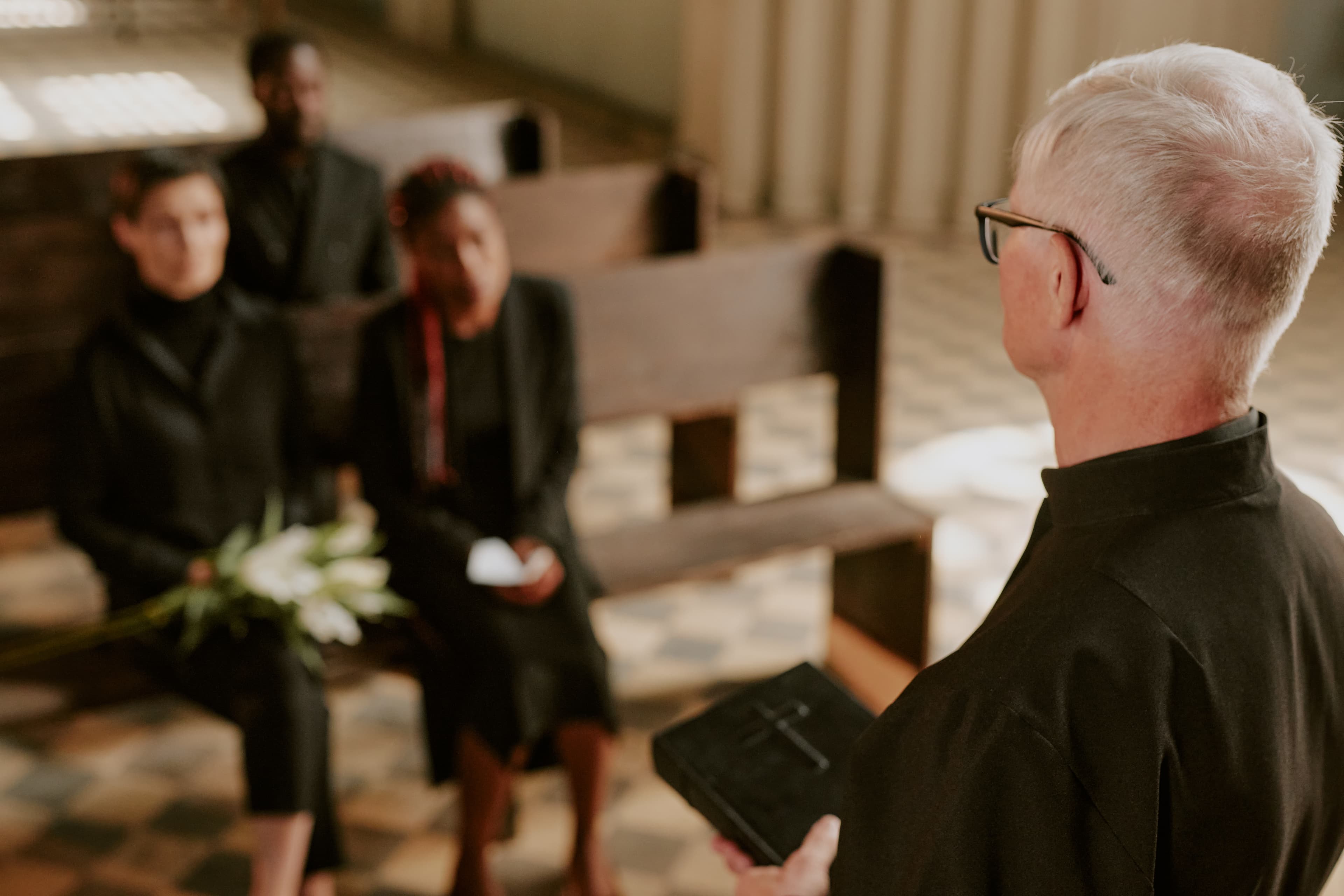
Quick Answer: The biggest clergy abuse lawsuits 2026 involve record-setting settlements, ongoing bankruptcy proceedings, and continued litigation against religious institutions across the United States. These cases continue to shape how survivors pursue accountability and how churches respond to abuse allegations.
Clergy abuse litigation continues to generate major developments across the country. Record settlements, bankruptcy proceedings, newly filed lawsuits, and changes in state laws are reshaping how survivors pursue accountability through the civil justice system.
Several of this year's developments involve claims dating back decades. Many became possible because states expanded filing deadlines or created temporary revival windows that allowed previously expired claims to move forward. Others demonstrate how bankruptcy proceedings continue to influence compensation for survivors and the future of church abuse litigation.
Here are some of the most significant developments making headlines in 2026.
Which Clergy Abuse Cases Are Receiving National Attention?
Several major cases have dominated headlines this year because of their size, financial impact, and implications for survivors nationwide.
Among the most significant developments are:
The proposed $800 million settlement involving the Archdiocese of New York
Continued developments in the New Orleans Archdiocese bankruptcy
A historic $395 million bankruptcy settlement involving the Archdiocese of San Francisco
Ongoing litigation involving dioceses across multiple states
Continued lawsuits filed under Child Victims Acts and similar revival-window legislation
Together, these cases demonstrate that clergy abuse litigation remains active nationwide and continues to evolve years after many of the underlying allegations first surfaced.
What Is Happening in New York?
One of the year's largest developments came when the Archdiocese of New York proposed an $800 million settlement to resolve approximately 1,300 sexual abuse claims. If finalized, it would become one of the largest clergy abuse settlements in United States history.
The proposal follows years of litigation made possible by New York's Child Victims Act, which temporarily reopened the statute of limitations for many childhood sexual abuse claims. Survivors whose lawsuits had previously been time-barred were able to file claims during the revival window, leading to hundreds of lawsuits against religious institutions.
The proposed settlement also reflects another important trend.
Rather than filing for bankruptcy, the Archdiocese of New York negotiated a global settlement intended to resolve hundreds of pending lawsuits while allowing additional disputes with insurers to continue separately.
For many survivors, the proposal represents years of litigation finally moving toward resolution.
What Developments Are Emerging in New Orleans?
The Archdiocese of New Orleans continues to illustrate how complex church abuse litigation can become after a bankruptcy filing.
After years of negotiations, the bankruptcy proceedings have produced one of the largest compensation programs for clergy abuse survivors in Louisiana. Recent court-approved settlements include hundreds of survivors and significant financial commitments from the archdiocese, insurers, and related entities.
Litigation surrounding New Orleans has also extended beyond settlement negotiations.
Court proceedings have examined disputes over internal church records, bankruptcy procedures, confidentiality orders, and allegations involving the handling of clergy abuse information. Those issues continue to receive national attention because they affect both survivor compensation and institutional transparency.
Although many claims are moving toward resolution, several legal issues remain active.
How Are Diocese Bankruptcy Cases Evolving?
Bankruptcy has become one of the defining issues in modern church abuse litigation.
Several Catholic dioceses have filed for Chapter 11 bankruptcy after facing hundreds or thousands of civil lawsuits. Bankruptcy creates a different legal process than individual lawsuits because it attempts to resolve all pending claims through one court-supervised proceeding.
Recent bankruptcy cases have produced large settlement funds in several dioceses.
For example:
New York negotiated a proposed global settlement outside bankruptcy.
New Orleans continues implementing a large survivor compensation program through bankruptcy proceedings.
San Francisco recently agreed to a $395 million settlement covering approximately 530 survivors, making it one of the largest bankruptcy settlements involving a Catholic diocese. The agreement also includes non-financial reforms such as expanded transparency, publication of accused clergy, and additional survivor protections.
Bankruptcy often raises difficult questions for survivors.
Some view it as a way to provide compensation through a structured process. Others worry that it limits discovery, reduces public accountability, or prevents individual cases from reaching trial.
Every bankruptcy proceeding follows its own rules, and each settlement depends on negotiations among survivors, religious institutions, insurers, and the bankruptcy court.
Why Are Revival Windows Continuing to Shape Clergy Abuse Cases?
Many of today's lawsuits would never have been filed under older statutes of limitations.
Revival windows have allowed survivors in several states to pursue claims involving abuse that occurred decades earlier.
These laws recognize that delayed disclosure is common and that many survivors do not report abuse until long after childhood.
The impact has been substantial.
Revival-window legislation has led to:
Thousands of new lawsuits
Previously unknown institutional records becoming public
Additional survivors coming forward
Greater scrutiny of church policies and historical responses to abuse
Significant settlement negotiations across multiple dioceses
Several large clergy abuse settlements reached in recent years trace directly back to these legislative changes. Without expanded filing opportunities, many of those claims would never have reached court.
What Do These Cases Mean for Survivors?
The developments making headlines in 2026 extend beyond individual settlements.
Large clergy abuse cases continue to influence how institutions investigate complaints, preserve records, respond to allegations, and compensate survivors.
They also demonstrate several broader trends:
Institutions continue facing claims involving abuse that occurred decades ago.
Civil lawsuits increasingly examine organizational decisions alongside individual misconduct.
Internal records often become important evidence during litigation.
Legislative changes continue affecting who can file lawsuits.
Survivors are coming forward in greater numbers after learning that others had similar experiences.
Every lawsuit follows its own path, and every survivor's circumstances are different. National headlines cannot predict the outcome of any individual claim, but they do show that civil litigation remains an important avenue for survivors seeking accountability.
Frequently Asked Questions
Why are so many clergy abuse cases being filed now?
Many states have changed their statutes of limitations or enacted revival-window legislation, allowing survivors to file lawsuits involving abuse that occurred years or decades earlier.
Does every clergy abuse case involve bankruptcy?
No. Some dioceses negotiate settlements outside bankruptcy, while others resolve claims through Chapter 11 proceedings.
Are large settlements divided equally among survivors?
Not necessarily. Many settlement programs use independent claims review processes that evaluate each claim individually before determining compensation.
Can survivors still come forward if their abuse happened decades ago?
Possibly. The answer depends on where the abuse occurred and the laws in that state. An attorney can evaluate whether current law may allow a civil claim.
Request a Free Case Review
If you have questions about clergy abuse or believe a religious institution failed to protect you or someone you love, Help Law Group can explain your legal options. Fill out the online form to request a free, confidential case review.