

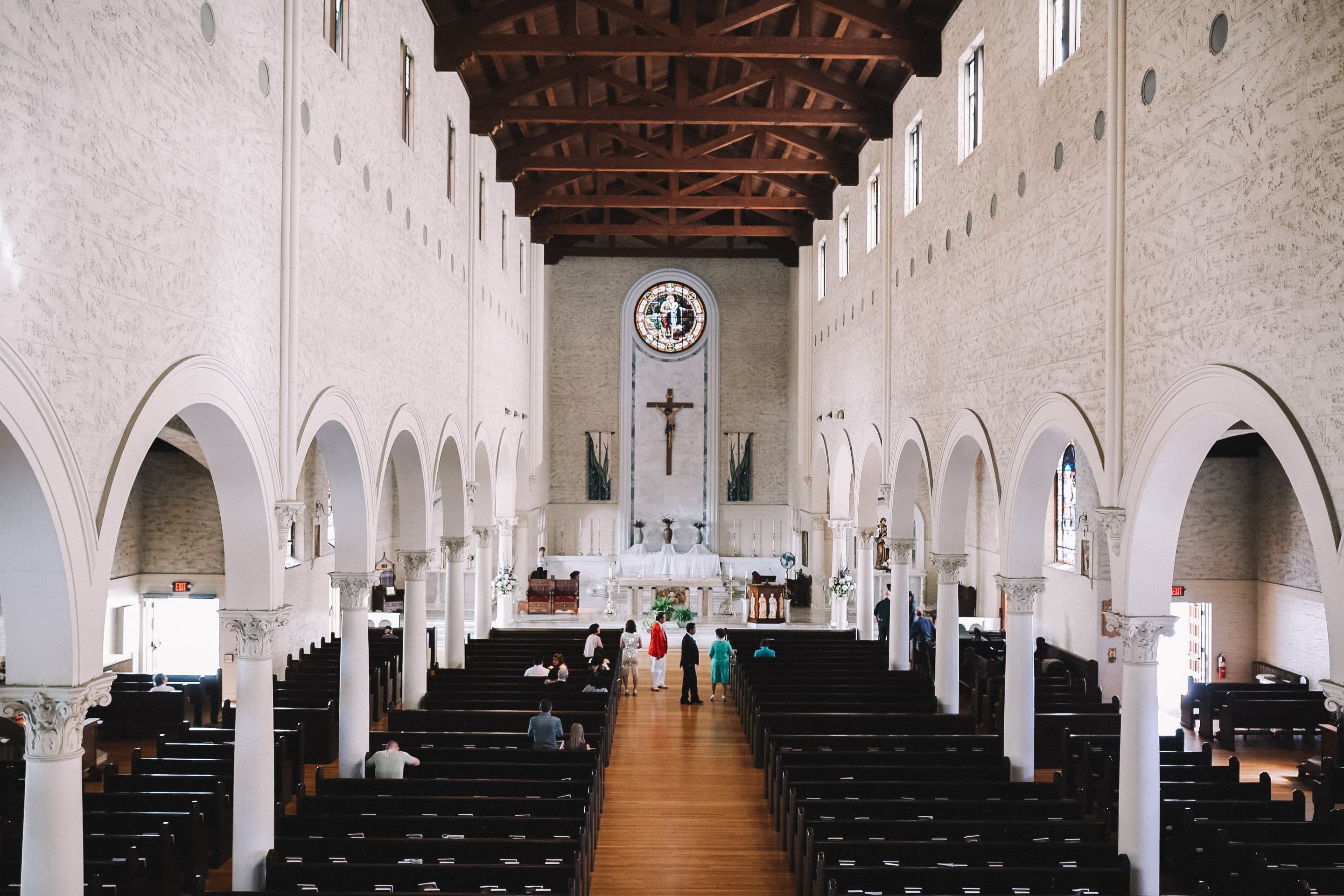
In March 2026, the Catholic Diocese of El Paso filed for Chapter 11 bankruptcy as it faced a growing number of clergy sexual abuse lawsuits. Bishop Mark Seitz pointed to the possibility of very large court judgments and the diocese's limited resources as reasons for the filing.
If you were abused within the diocese, a bankruptcy filing can feel frightening. It can sound like the institution is escaping accountability. In reality, Chapter 11 reorganizes how claims are handled rather than erasing them, but it makes acting on time more important than ever.
Why the Diocese Filed for Chapter 11
The El Paso diocese filed for bankruptcy while defending multiple abuse lawsuits, including claims arising in New Mexico. Facing the prospect of judgments it said it could not afford, the diocese turned to Chapter 11 to address all of the claims through one process.
For the institution, bankruptcy creates a single forum to resolve its liabilities and continue operating. For survivors, it changes where and how their claims are handled, and it brings everyone into the same court at the same time.
Understanding that shift is the key to protecting your rights, because the bankruptcy process runs on deadlines that do not wait.
Does Bankruptcy Stop Abuse Lawsuits?
When a diocese files for Chapter 11, an automatic stay goes into effect. The stay pauses pending lawsuits against the diocese and channels those claims into the bankruptcy case.
This does not mean your claim disappears. It means the venue changes. Instead of an individual lawsuit moving through state court, your claim becomes part of the bankruptcy, where it will be addressed alongside others through a court-supervised plan.
The goal of that plan is usually to create a compensation fund for survivors. Getting a valid claim on file is what keeps you part of that process.
What a Claims Bar Date Is and Why It's Urgent
Early in a diocesan bankruptcy, the court sets a claims bar date. This is a firm, court-ordered deadline to file a claim against the diocese.
The bar date is one of the most important dates in the entire case. Survivors who file by the deadline preserve their right to compensation from the fund. Those who miss it can lose that right, even if their underlying claim is strong.
Because the bar date can arrive well before many survivors are ready to come forward, waiting is risky. If you believe you have a claim, it is worth speaking with a lawyer now rather than after the deadline has passed.
How Survivors Get Paid Through a Trust
Diocesan bankruptcies typically end with a plan that funds a survivor compensation trust. The trust is paid for by the diocese, often together with its insurance carriers and sometimes affiliated parishes or entities.
Once the plan is confirmed, the trust reviews each claim and assigns compensation using an agreed framework that weighs factors such as the severity and duration of the abuse. Fights over insurance coverage are common and can affect how large the fund ultimately is and how long it takes to pay.
This structure is why early, well-documented claims matter. The stronger and clearer your claim, the better positioned you are within the trust.
Does Bankruptcy Mean the Diocese Avoids Accountability?
It is natural to feel that a bankruptcy filing lets an institution off the hook. In reality, Chapter 11 does not erase what happened, and it does not free the diocese from contributing to a survivor fund. Instead, it forces the diocese to put its finances on the table under court supervision.
Survivors and their representatives have a voice in that process. A committee typically represents abuse claimants, scrutinizing the diocese's assets, its insurance, and its proposed plan. Far from quietly disappearing, the diocese must account for itself in a transparent, court-monitored proceeding.
Why Insurance Disputes Matter to Survivors
A large share of the money in diocesan bankruptcies often comes from insurance policies that were in place when the abuse occurred. Insurers frequently fight over how much they owe, and those disputes can shape both the size of the fund and how long it takes to pay survivors.
This is one reason experienced representation matters. Understanding which policies may apply, and pressing for their full value, can directly affect what survivors ultimately recover. It is detailed work, but it is central to a fair outcome.
What to Do If You Were Abused in the El Paso Diocese
If you were abused by clergy, staff, or volunteers connected to the Diocese of El Paso, the most protective step is to have your claim evaluated and filed before the bar date, even if you are still deciding how much you want to share publicly.
Filing a claim does not require a public announcement. These matters are handled with confidentiality, and an attorney can guide you through the process privately and at your own pace.
Help Law Group offers free, confidential consultations and works on a contingency basis, so there is no cost to learn your options. If the El Paso bankruptcy affects you, reaching out sooner gives you the best chance to protect your rights.