

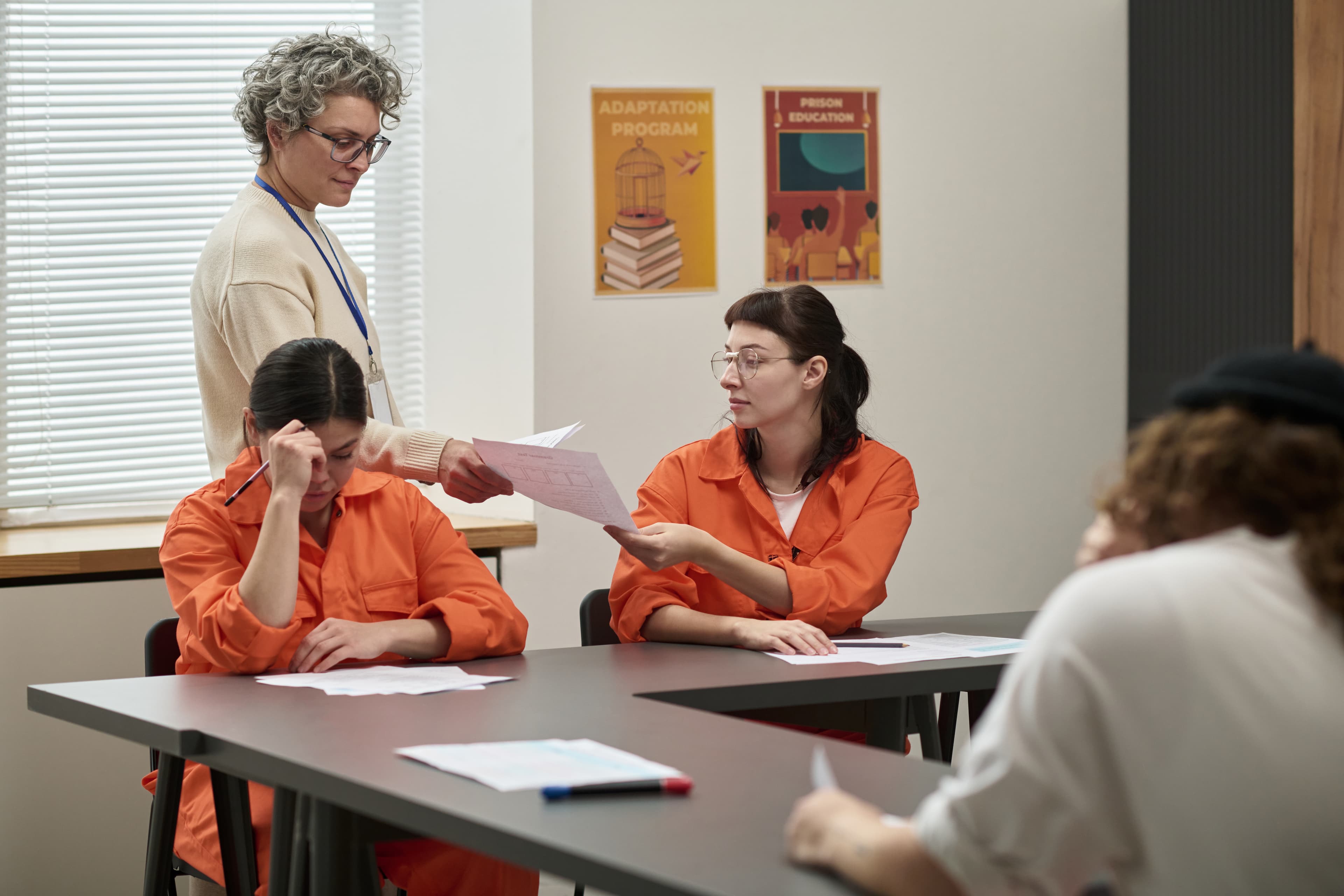
Spofford, Horizon and Crossroads are names many former detainees in New York City’s juvenile justice system have carried with them for years. Survivors have described physical abuse, sexual abuse, excessive force and neglect inside the city’s youth detention facilities. Federal oversight investigations, civil litigation and public reports have documented longstanding safety concerns tied to the system.
The landscape surrounding the lawsuit abuse Spofford Horizon Crossroads litigation includes claims filed under New York sexual abuse laws and federal civil rights statutes. Attorneys say it is still possible for survivors to pursue legal action against the organizations, depending on the circumstances of their alleged abuse.
Spofford Detention Center Abuse: What Happened at Spofford, Horizon, and Crossroads
Spofford Juvenile Center operated in the Bronx for decades as New York City’s primary secure juvenile detention facility. The facility became widely associated with dangerous conditions, violence and allegations of mistreatment involving detained youth.
New York City eventually replaced Spofford with Horizon Juvenile Center in the Bronx and Crossroads Juvenile Center in Brooklyn in 1998. City officials promoted the newer facilities as safer and more service-oriented than the older Spofford complex.
Despite those changes, allegations involving abuse continued to surface over the years.
Former detainees have described incidents involving sexual assault by staff, physical violence, intimidation and failure to protect children from harm while in custody. Lawsuits filed in recent years allege some abuse occurred repeatedly and that warning signs were ignored.
The term Spofford detention center abuse is still widely used in litigation because many survivors passed through the older Bronx facility before it closed. Other survivors were detained later at Horizon or Crossroads after the city transitioned juvenile detention operations into the newer centers.
Public reporting and oversight findings have also documented rising violence and safety concerns inside Horizon and Crossroads in recent years. A 2024 report from the New York City Department of Investigation found troubling patterns involving resident violence, inadequate staff response and operational failures at both facilities.
NYC Juvenile Detention Abuse Lawsuit: What Federal Investigations Found at These Facilities
The ongoing NYC juvenile detention abuse lawsuit filings are supported in part by years of oversight reports, investigations and monitoring involving New York City’s juvenile detention system. Federal and local oversight agencies have examined whether youth in custody were adequately protected from violence and abuse.
The New York City Department of Investigation reported in 2024 that Horizon and Crossroads had become increasingly difficult to manage after changes to state criminal justice laws expanded the number of older youth held in juvenile detention. Investigators described failures involving staff preparedness, behavioral management and facility safety.
Court-appointed federal monitors overseeing broader correctional conditions in New York City have also raised concerns about violence and staff response issues involving juvenile detention settings.
Civil lawsuits filed by survivors allege the city and supervising agencies failed to protect children placed in their custody. Plaintiffs claim officials either knew or should have known about abusive conduct occurring inside detention facilities. Recent litigation involving hundreds of former detainees alleges sexual abuse occurring across multiple city-run juvenile facilities over several decades.
What Legal Claims Survivors May Have
Survivors may have several possible legal claims depending on the facts of their case. Some lawsuits are filed under Section 1983, a federal civil rights law allowing claims against government actors for constitutional violations. These cases may allege deliberate indifference to abuse, failure to supervise staff or unlawful conditions of confinement.
Other claims involve negligence by the city or agencies responsible for operating detention facilities. Sexual abuse claims may also arise under New York statutes addressing child sexual abuse and gender-motivated violence. Claims can involve:
Sexual assault or sexual misconduct by staff
Physical abuse or excessive force
Failure to prevent assaults by other detainees
Neglect or denial of medical care
Psychological harm caused by abusive detention conditions
The specific legal route depends on when the abuse occurred, the survivor’s age at the time and what evidence exists.
Can I Sue a Juvenile Detention Facility?
Many survivors ask the same question: can I sue juvenile detention facility operators years after the abuse happened? In New York, the answer may depend on several factors, including the type of claim and whether special revival laws apply.
The Child Victims Act opened a temporary lookback window allowing survivors of childhood sexual abuse to file civil lawsuits even if the original statute of limitations had expired. The law led to many lawsuits involving schools, churches, foster care systems and detention facilities.
The Gender-Motivated Violence Protection Law also created another temporary filing window used in some recent juvenile detention abuse cases filed against New York City. Outside those revival windows, survivors may still have claims depending on their age and the applicable limitations period.
Attorneys evaluating detention abuse cases often examine:
When the abuse occurred
The survivor’s current age
Whether sexual abuse or civil rights claims are involved
Whether prior reports or investigations exist
Whether tolling provisions may apply
Because these deadlines can be complicated, lawyers typically encourage survivors to seek legal review as soon as possible.
What Survivors Need to Know Before Reaching Out
Many survivors worry they do not have enough evidence to speak with an attorney.
A confidential review does not require complete records or formal proof before the first conversation. Useful documentation may include detention records, medical records, counseling history, school records, prior complaints, witness names, journals or communications discussing the abuse.
Some survivors have no paperwork at all. Attorneys handling institutional abuse litigation often rely heavily on survivor testimony, facility records and corroborating evidence uncovered during investigation.
Survivors also do not need to know the full legal theory before reaching out. A case review is intended to determine whether the facts may support a claim.
How to Start a Confidential Case Review
A confidential case review usually begins with a private discussion about where the survivor was detained, when the abuse occurred and what happened inside the facility. Attorneys may ask about staff members involved, prior reports, medical treatment and how the experience affected the survivor’s life afterward.
The review also helps determine whether the facts fit within the developing lawsuit abuse Spofford Horizon Crossroads litigation or another legal pathway involving juvenile detention abuse claims.
Survivors seeking more information may also review resources covering NYC juvenile detention litigation, explanations of juvenile detention abuse and information outlining the legal rights children had while in custody.
For many former detainees, speaking about what happened can take years. Recent lawsuits and investigations have brought renewed public attention to allegations that children placed in New York City custody were not protected from abuse. Attorneys representing survivors say legal reviews remain available for people who are still deciding whether to come forward.
Request a Confidential Case Review
If you experienced abuse, sexual assault, excessive force or neglect at Spofford, Horizon or Crossroads, understanding how the process works can help you figure out what legal options may still exist.
A confidential case review can help determine whether the facts may support a legal claim, what records or evidence may be important, and how courts are currently handling cases involving juvenile detention abuse, civil rights violations and institutional negligence. Survivors do not need complete documentation before speaking with an attorney. Many cases begin with a survivor’s account of what happened while in custody.