

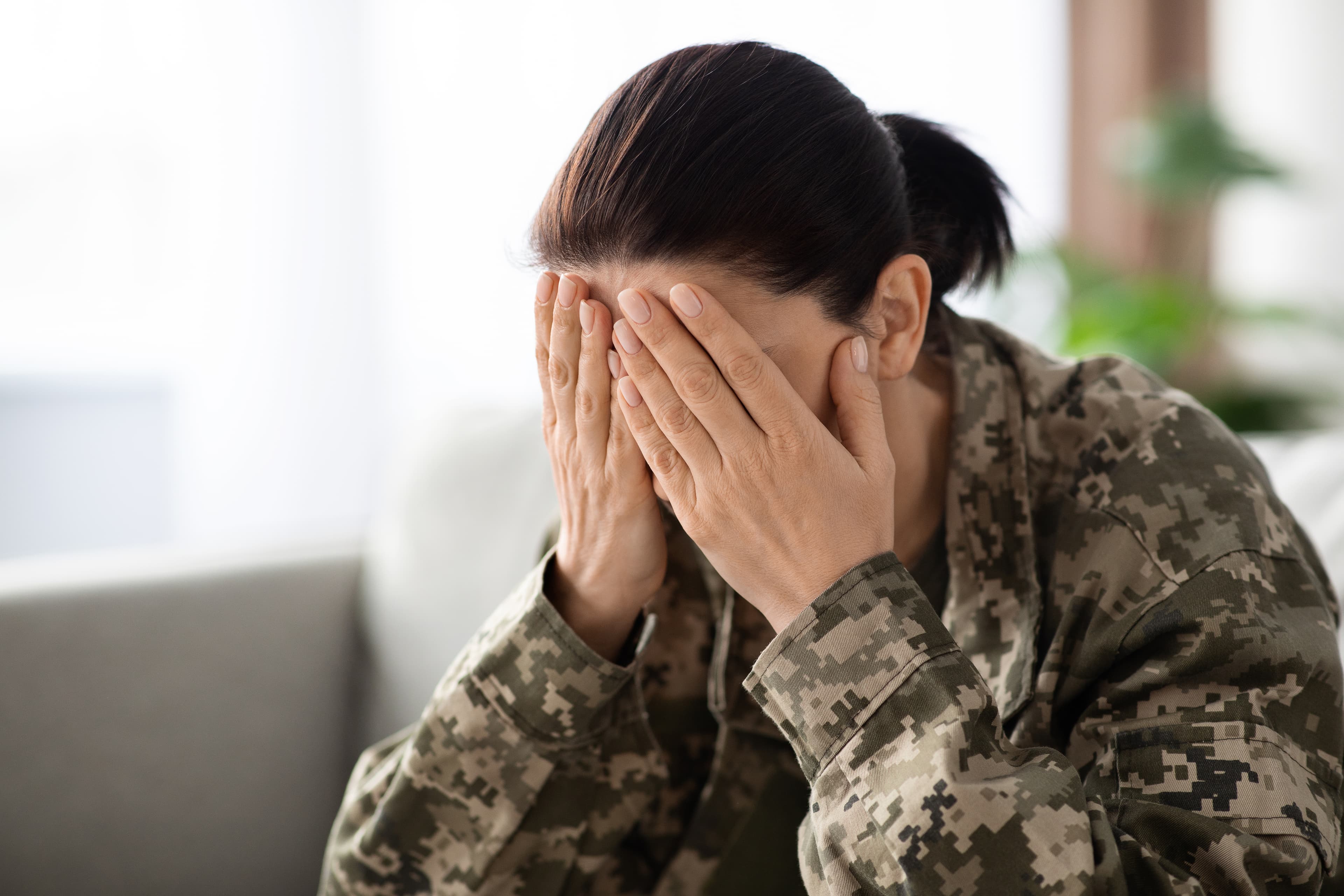
Military service is built on trust, discipline, and accountability. When sexual abuse occurs within the military, survivors often face unique challenges that can make reporting difficult and recovery more complicated.
Service members and veterans who experience sexual abuse may have questions about their legal rights, available support services, and whether a military sexual abuse claim is possible. Recent reforms within the military justice system and ongoing discussions about accountability have increased attention on the options available to survivors.
Many survivors are also affected by military sexual trauma, commonly known as MST. Understanding reporting procedures, potential legal claims, and available benefits can help service members and veterans make informed decisions about their next steps.
Understanding Military Sexual Trauma (MST)
The U.S. Department of Veterans Affairs defines military sexual trauma as sexual assault or sexual harassment experienced during military service. Military sexual trauma can affect people of any gender, rank, branch of service, or military occupation.
MST includes a wide range of conduct, including unwanted sexual touching, sexual assault, coercive sexual activity, threatening sexual behavior, and repeated sexual harassment. Some incidents occur between service members. Others involve supervisors, instructors, healthcare providers, or individuals in positions of authority.
According to the Department of Defense, reports of sexual assault in the military continue to be a significant concern. Researchers and advocates note that many incidents go unreported due to fears about retaliation, career consequences, damage to professional relationships, or concerns about confidentiality.
The effects of MST can continue long after military service ends. Survivors may experience anxiety, depression, post-traumatic stress disorder, difficulties with relationships, substance use issues, and challenges maintaining employment. Many veterans report that the trauma continues to affect their daily lives years after the abuse occurred. Because of these long-term impacts, veteran survivor rights have become an important focus of both military reform efforts and veterans' services programs.
Reporting Channels and Their Limits
The military offers multiple reporting options for sexual assault, each with different consequences and levels of confidentiality. One option is restricted reporting. This allows service members to confidentially disclose sexual assault to designated professionals, including Sexual Assault Response Coordinators, Victim Advocates, and certain healthcare providers. Restricted reports generally allow survivors to access support services without automatically triggering a criminal investigation.
Another option is unrestricted reporting. An unrestricted report notifies military command and law enforcement authorities, allowing a formal investigation to proceed. Understanding the difference is important because each option carries different implications for privacy, evidence collection, and accountability efforts.
Survivors often face difficult decisions when choosing whether to report. Some worry about professional consequences or retaliation. Others may not feel ready to participate in an investigation.
Even when reports are made, survivors sometimes express frustration with investigative outcomes, disciplinary processes, or delays within the military justice system. These concerns have contributed to calls for reforms aimed at increasing confidence in how allegations are handled. The Department of Defense operates the Safe Helpline, which provides confidential support and information for members of the military community affected by sexual assault.
Recent Changes to Accountability
Recent years have brought significant changes to how the military handles sexual assault cases. Congress enacted reforms that shifted authority over many serious crimes, including sexual assault offenses, away from a victim's immediate chain of command and toward independent military prosecutors. Supporters of the reforms argued that independent decision-making could increase confidence in the system and reduce concerns about conflicts of interest.
The changes followed years of advocacy from survivors, veterans' groups, lawmakers, and military justice experts who argued that reporting barriers contributed to underreporting and limited accountability.
The military has also expanded prevention efforts, victim support services, and training programs designed to address sexual misconduct and improve reporting procedures.
While reforms continue to evolve, many advocates emphasize that survivors may still face challenges navigating military systems and understanding their legal rights. Accountability efforts often involve multiple processes, including military investigations, administrative proceedings, veterans' benefits claims, and potential civil actions.
Claims Against the Government
Some survivors wonder whether a military sexual abuse claim can include legal action against the federal government. Claims involving military-related abuse can be complex because federal laws place limits on when the government may be sued. One law that often arises in discussions of institutional accountability is the Federal Tort Claims Act.
The Federal Tort Claims Act allows individuals in certain circumstances to pursue claims involving negligence by federal employees acting within the scope of their duties. Whether the law applies depends on the facts of the case and the survivor's status at the time of the abuse.
Legal claims involving active-duty service members present additional challenges because of legal doctrines that restrict certain lawsuits arising from military service. Courts have historically imposed limitations on claims connected to injuries considered incident to military service.
Despite these limitations, legal options may still exist in some circumstances. Claims involving healthcare providers, civilian employees, contractors, or institutional failures sometimes require careful evaluation of applicable laws and deadlines.
A military sexual abuse claim may focus on individual misconduct, institutional failures, negligent supervision, or other circumstances depending on the facts involved.
Because these cases are highly fact-specific, survivors often seek information about potential legal options before deciding how to proceed.
Support and Benefits for Survivors
Legal accountability is only one part of recovery for many survivors. Access to healthcare, counseling, and supportive services can be equally important.
The Department of Veterans Affairs provides services for veterans affected by military sexual trauma. Veterans do not need to have reported the incident during service or possess documentation proving the abuse in order to receive certain MST-related care through the VA. Available support may include:
Mental health counseling
Residential treatment programs
Medical care
Medication management
Referrals to additional support services
Veteran survivor rights also include the ability to seek information about disability benefits that may be connected to the effects of military sexual trauma. Many survivors find support through advocacy organizations, peer networks, counselors, and veterans' service programs.
Anyone who experienced sexual abuse during military service may wish to preserve relevant records, explore available reporting options, and learn about potential benefits and legal rights. A military sexual abuse claim may be possible in some circumstances, and recent reforms have expanded discussions about accountability for both individual misconduct and institutional failures.