

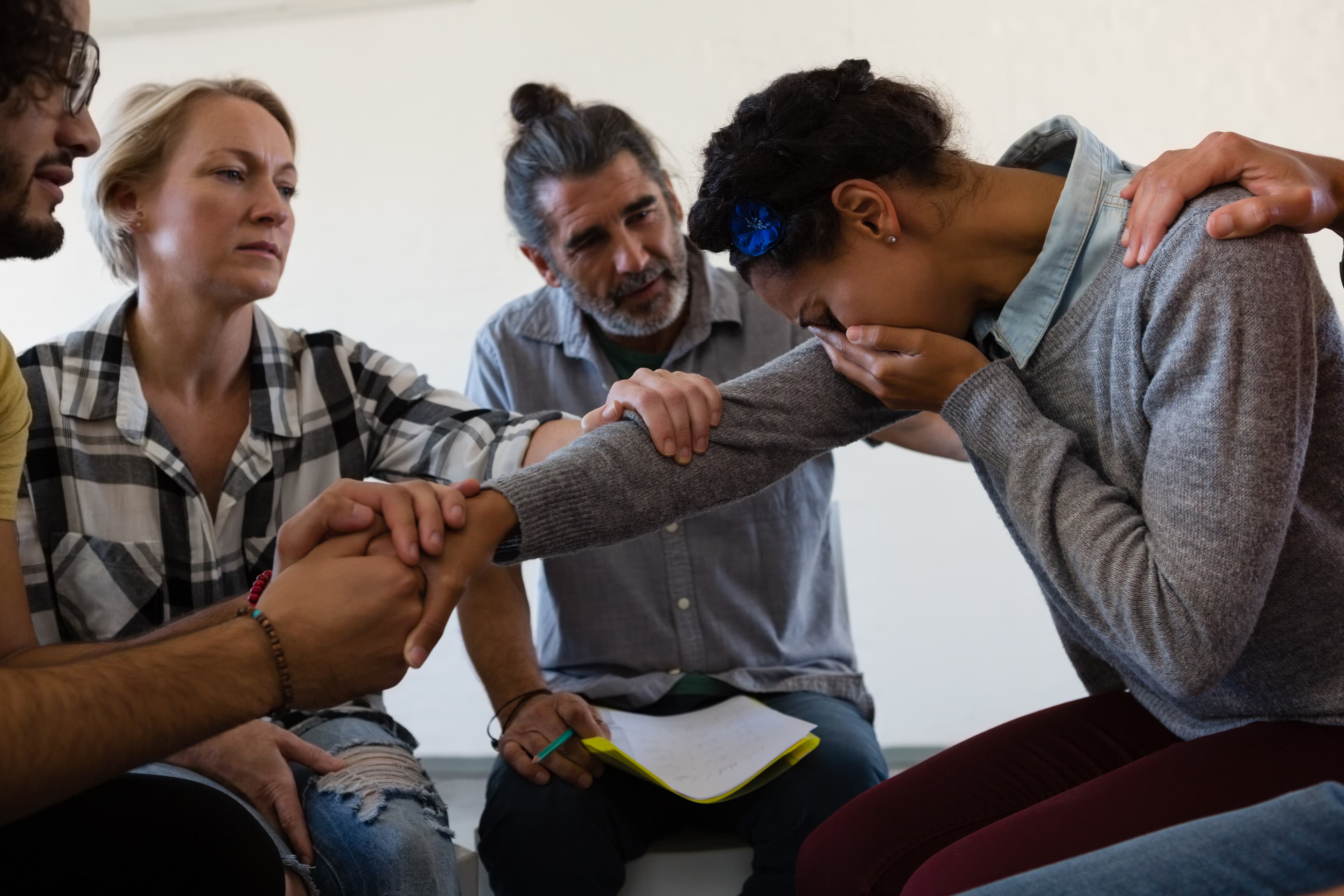
Quick Answer: A multiple survivors lawsuit often develops when several people independently report abuse involving the same institution or individual. As additional survivors come forward, investigators may uncover shared patterns, internal records, and prior complaints that help explain how the abuse continued. Although every case is unique, multiple lawsuits often strengthen investigators' understanding of what happened and how an organization responded.
Many of the country's largest abuse cases began with one person deciding to speak up.
As additional survivors came forward, investigators uncovered broader patterns involving schools, churches, hospitals, youth organizations, juvenile detention facilities, and other institutions. Documents that once seemed isolated took on new meaning when viewed alongside similar reports from other survivors.
When several people report abuse involving the same organization, the legal process often changes. Investigations become broader, more records may be reviewed, and attorneys begin looking beyond individual allegations to understand whether an institution failed to recognize or respond to warning signs.
Why Do Multiple Survivors Come Forward at the Same Time?
Many survivors believe they are the only person who experienced abuse until another story becomes public.
News coverage, criminal charges, public investigations, or civil lawsuits often encourage others to recognize similar experiences and decide they are ready to speak about what happened.
Several factors contribute to this pattern:
A survivor shares their story publicly.
An institution announces an internal investigation.
Court documents become public.
States open revival windows for older abuse claims.
Law enforcement asks additional victims to come forward.
For some people, seeing another survivor speak openly answers an important question: "Was I the only one?"
Learning that others had similar experiences can encourage additional reports and help investigators understand whether abuse extended beyond a single incident.
Are Cases Combined Into One Lawsuit?
Not always.
One of the most common misconceptions is that every survivor automatically joins the same lawsuit.
In reality, several approaches are possible depending on the court, the claims, and the facts of each case.
Individual Lawsuits
Many survivors file their own lawsuits even when the allegations involve the same institution.
Each person's experience, injuries, and legal claims are unique, so separate lawsuits are often appropriate.
Coordinated Litigation
Sometimes courts coordinate similar lawsuits to make the process more efficient.
This does not mean every survivor loses control of their own case.
Instead, the court may coordinate certain parts of the litigation, such as:
Reviewing common documents
Scheduling discovery
Resolving shared legal questions
Managing pretrial proceedings
This type of coordinated litigation helps reduce duplication while allowing each survivor's individual circumstances to remain part of their own case.
Multidistrict Litigation
Some large cases involve multidistrict litigation, often called MDL.
An MDL allows lawsuits filed in different federal courts to share portions of the discovery process before returning to their original courts if necessary.
Unlike a class action, each survivor generally keeps an individual claim.
Not every abuse case qualifies for multidistrict litigation, but the concept illustrates how courts sometimes manage large numbers of similar lawsuits efficiently.
How Does New Evidence Affect Other Survivors?
One survivor's lawsuit may uncover information that becomes important in another case.
For example, discovery may reveal:
Personnel files
Internal emails
Investigation reports
Prior complaints
Training records
Meeting notes
Insurance documents
Policies that were never made public
Attorneys often review these materials to determine whether similar issues appear across multiple cases.
As additional records become available, investigators may identify patterns that were impossible to recognize from a single complaint alone.
For example, separate reports from different years may reveal:
Similar methods of grooming
Repeated complaints involving the same individual
Transfers between schools or churches
Failure to investigate earlier allegations
Decisions that allowed continued access to children
Looking at multiple reports together often creates a clearer understanding of what occurred.
Can One Survivor's Case Help Another?
In many situations, yes.
One survivor's experience may help investigators identify additional witnesses, locate records, or understand how an institution responded over time.
That does not mean every case succeeds because another person filed first.
Each lawsuit is evaluated independently.
Even so, several survivors reporting similar experiences may help investigators:
Compare timelines
Review organizational records
Identify common witnesses
Understand institutional policies
Locate additional documentation
Many survivors also discover that other people reported concerns years earlier without realizing those reports existed.
This is one reason attorneys often investigate whether an organization received complaints long before abuse became public.
What Does This Mean for Institutions?
When multiple lawsuits involve the same organization, the investigation often expands beyond individual allegations.
Attorneys may examine whether the institution:
Received earlier complaints
Properly investigated reports
Followed mandatory reporting laws
Conducted background checks
Supervised employees appropriately
Maintained complete records
Warned families about known concerns
Many institutional abuse lawsuits focus not only on the actions of one individual but also on whether the organization fulfilled its responsibility to protect the people in its care.
Questions about hiring practices, supervision, internal investigations, and leadership decisions frequently become central issues in civil litigation.
Do Multiple Lawsuits Usually Lead to Larger Settlements?
There is no automatic relationship between the number of survivors and the outcome of a case.
Every lawsuit is evaluated based on its own facts, evidence, and applicable law.
That said, cases involving multiple survivors sometimes lead to broader settlement discussions because they raise common issues affecting numerous claims.
Institutions may choose to negotiate with groups of survivors rather than litigate each case individually.
Some large cases eventually result in:
Individual settlements
Global settlement agreements
Compensation funds
Bankruptcy settlement trusts
Court-approved resolution programs
The structure depends on the institution involved, the number of claims, insurance coverage, and many other legal factors.
How Is Survivor Privacy Protected?
Many survivors worry that filing a lawsuit means their personal experiences will immediately become public.
Courts recognize these concerns.
Depending on the jurisdiction and circumstances, protective measures may include:
Using initials or pseudonyms in public filings
Protective court orders
Confidential treatment of certain records
Sealed documents when permitted by law
Attorneys can explain what privacy protections may be available in a particular case.
Understanding those protections often helps survivors feel more comfortable asking questions about their legal options.
Frequently Asked Questions
Do multiple survivors have to file together?
No. Many survivors file individual lawsuits even when their claims involve the same institution or the same accused individual.
Can I file a lawsuit if someone else already has?
Possibly. Another survivor's lawsuit does not automatically prevent you from pursuing your own claim. The answer depends on the facts of your case and the laws that apply.
What if I never reported the abuse before?
That does not automatically prevent a civil investigation. Many survivors disclose abuse years or even decades after it occurred.
Does one survivor's evidence become evidence in every case?
Not necessarily. Some evidence may be relevant across multiple lawsuits, while other information applies only to a particular survivor's claim.
Request a Free Case Review
If you have questions about a multiple survivors lawsuit or believe others may have experienced abuse involving the same institution, Help Law Group can review your circumstances and explain your legal options. Fill out the online form to request a free, confidential case review.