

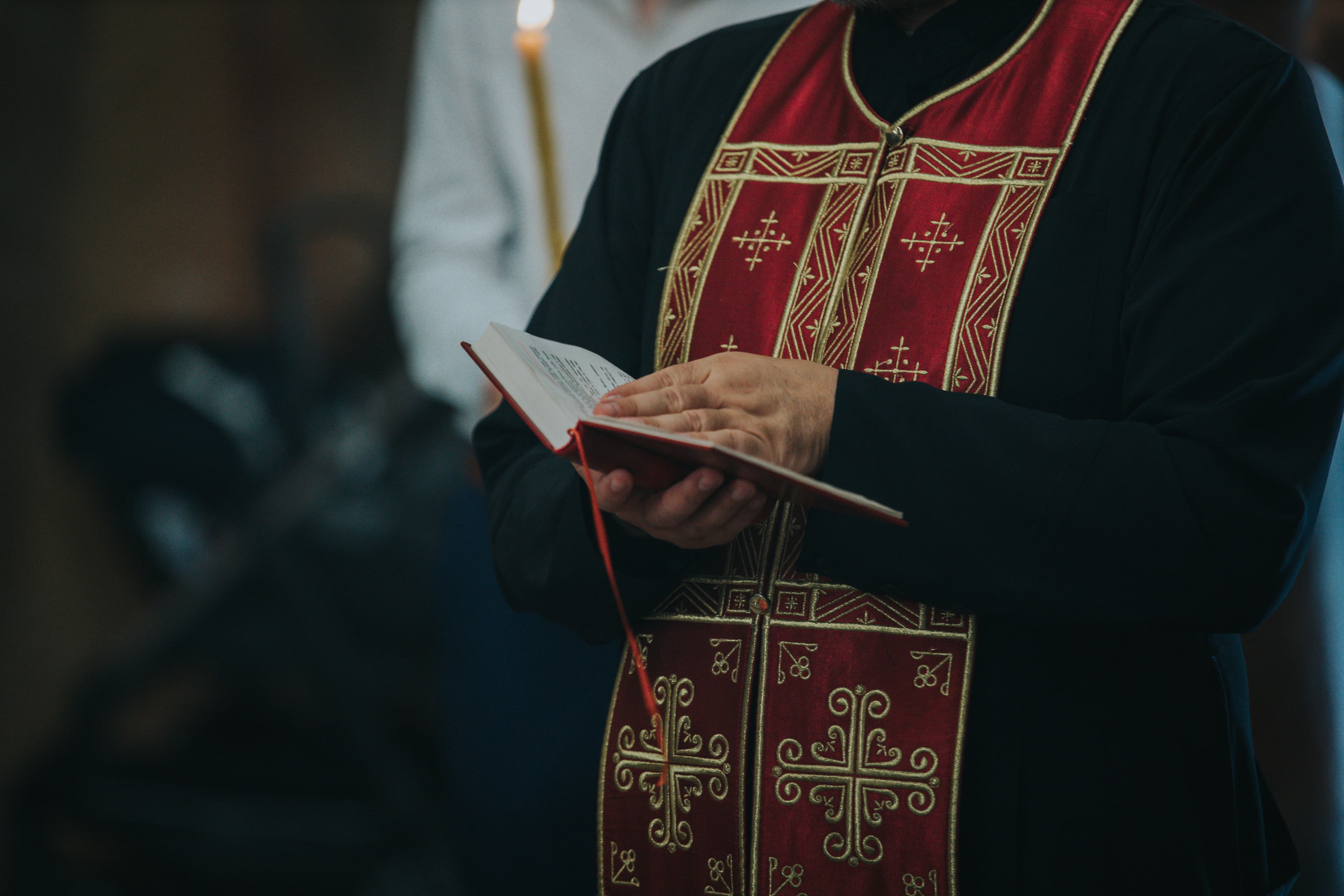
Child sexual abuse inside religious organizations often involves more than the conduct of one individual. Civil lawsuits filed across the United States have alleged that churches and other religious institutions ignored complaints, failed to supervise clergy members and allowed accused individuals continued access to children.
Many survivors who pursue legal action are seeking accountability from both the person who committed the abuse, and from the institution that allegedly failed to prevent it. A religious institution abuse lawsuit generally focuses on whether leadership decisions, policies or failures allowed abuse to occur or continue.
Investigations over the past two decades have uncovered records showing some religious organizations received complaints about clergy members or employees years before abuse became public. Court filings in many cases allege that institutions prioritized protecting reputations over protecting children. Research organizations including Child USA have documented how institutional responses can affect both abuse prevention and survivor outcomes.
When Does a Religious Institution Become Responsible for Abuse?
Religious institutions can face civil liability when their actions or inaction contributed to abuse.
In many cases, lawsuits allege negligence. That means the institution failed to take reasonable steps to protect children from foreseeable harm.
Courts may examine whether church leaders, school administrators or supervisors knew about warning signs involving a clergy member, volunteer or employee and failed to respond appropriately. A church abuse liability claim often centers on questions such as:
Were prior complaints ignored?
Did leadership fail to investigate reports?
Was the accused person allowed continued access to minors?
Were safeguarding policies inadequate or unenforced?
Did the institution fail to supervise staff or volunteers?
Liability may also extend beyond churches themselves. Religious schools, youth ministries, camps, dioceses and affiliated organizations can face scrutiny depending on their role and level of oversight. Civil lawsuits may seek compensation for emotional trauma, therapy costs, medical care, lost income and other damages connected to the abuse.
What Happens When Leaders Ignore Complaints?
One of the most common allegations in institutional abuse litigation is that leadership received complaints and failed to act. In clergy abuse cases across multiple denominations, court records and attorney general investigations have documented allegations involving ignored reports, internal secrecy and transfers of accused clergy members to new assignments.
Some lawsuits allege institutions discouraged victims or families from reporting abuse to law enforcement. Others claim leadership minimized allegations or handled complaints internally without meaningful intervention.
When leaders ignore complaints, the legal issue often becomes foreseeability. Courts may examine whether the institution had enough information to recognize a risk and failed to prevent additional harm. Evidence showing repeated complaints involving the same person can strengthen claims that abuse was preventable.
Many survivors only later discover that others had reported similar misconduct years earlier.
Institutional response can become a central issue in litigation because it may demonstrate whether the organization took child safety seriously after concerns surfaced.
Can Hiring Decisions Create Liability?
Hiring and retention decisions can also create legal exposure for religious organizations.
Some lawsuits allege institutions failed to conduct adequate background checks, ignored disciplinary histories or retained individuals despite warning signs involving inappropriate behavior with minors.
Negligent hiring claims may arise when an organization places someone in a position of authority over children without properly evaluating known risks. Negligent retention claims often focus on what happened after concerns emerged. For example, a lawsuit may allege a religious institution.
Kept an accused clergy member in ministry after complaints
Reassigned the individual to another parish or school
Failed to restrict contact with minors
Ignored policy violations involving boundaries or supervision
An institutional sexual abuse claim may involve evidence showing leadership had opportunities to intervene and failed to do so. Because clergy and religious leaders often hold positions of trust and authority, courts may closely examine whether institutions exercised reasonable oversight over people placed in contact with children.
What Role Do Internal Records Play?
Internal records often become important evidence in religious institution abuse cases. During litigation, attorneys may seek documents including:
Personnel files
Internal complaints
Emails and correspondence
Transfer records
Investigation reports
Counseling or treatment referrals
Meeting notes involving allegations
In some high-profile clergy abuse investigations, internal records revealed patterns of institutional knowledge stretching back years or decades. Those records can help establish timelines showing when leadership learned about allegations and what actions followed.
Public disclosures from dioceses and religious organizations have also helped corroborate survivor accounts in many cases. Survivors do not need access to these records before contacting an attorney. In many lawsuits, evidence only became public after legal discovery forced institutions to release internal documents.
Witness testimony, survivor disclosures and public reporting can also help support claims involving institutional responsibility.
What Can a Civil Lawsuit Change?
Civil lawsuits can provide financial compensation for survivors, though many cases also focus on broader accountability. Litigation has led some religious organizations to release previously confidential records, adopt stronger safeguarding policies and publicly acknowledge abuse allegations.
In several states, large-scale clergy abuse lawsuits contributed to attorney general investigations, bankruptcy proceedings and institutional reforms. Survivors and advocates often say lawsuits create pressure for transparency in organizations that historically handled allegations privately.
Civil claims may also help identify other survivors who had not previously come forward.
Many survivors report that understanding the institution’s role in enabling abuse became an important part of processing what happened to them. For some, legal action is also very much tied to preventing future harm.
Fill Out the Online Form for a Free Case Review
If you believe a church, school or religious organization ignored warnings, failed to supervise staff or allowed abuse to continue, a confidential legal review can help determine whether a civil claim may be possible. An attorney can evaluate how the abuse occurred, what evidence may exist and whether institutional failures may have contributed to the harm.
Survivors do not need complete documentation before reaching out. Many institutional abuse investigations begin with a survivor describing what happened and allowing attorneys to investigate the surrounding records and history.