

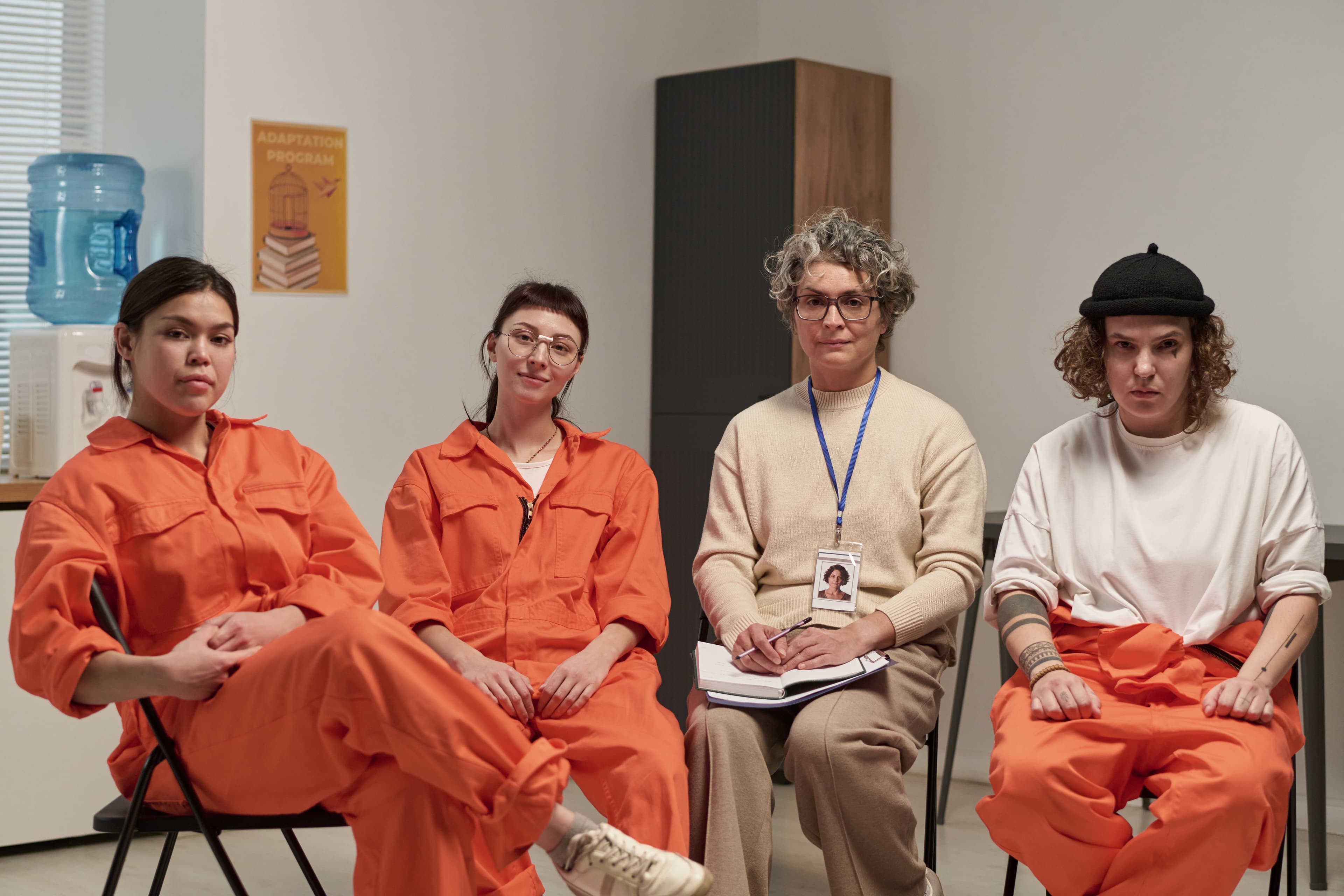
When a child is detained, they do not lose their constitutional protections and authorities are obligated by law to protect their civil rights. The rights of children in juvenile detention are protected under the U.S. Constitution, federal civil rights laws, and state regulations. When staff members or institutions violate those rights, survivors likely have legal remedies through civil rights lawsuits.
Juvenile detention facilities are responsible for housing minors safely and providing basic care. Courts have repeatedly held that young people in custody have the right to humane treatment, protection from abuse, and access to medical and mental health care.
Federal investigations conducted under the Civil Rights of Institutionalized Persons Act, or CRIPA, have identified serious problems in juvenile detention systems across the country, including excessive force, sexual abuse, unsafe restraint practices, and denial of medical care.
The United States Department of Justice has used these investigations to require reforms in facilities found to violate constitutional standards.
Constitutional Rights Detained Youth: What Constitutional Rights Apply to Children in Custody
Children in detention remain protected by the Constitution while in state custody. Courts recognize that detained youth are especially vulnerable and recognize the rights of children in juvenile detention because they are dependent on staff for safety, medical care, food, and basic daily needs.
The constitutional rights detained youth retain include the right to reasonably safe conditions, medical and mental health care, to be free from excessive force, the right to due process and fair treatment, and to protection from sexual abuse and violence.
The legal standards applied can depend on whether the youth was detained before adjudication or after being found delinquent in court. Pretrial detainees are generally protected under the Fourteenth Amendment’s Due Process Clause. Youth serving a sentence may also have protections under the Eighth Amendment.
The Eighth Amendment and Freedom From Cruel and Unusual Punishment
The Eighth Amendment prohibits cruel and unusual punishment. Courts have interpreted this protection to prohibit abusive treatment in detention facilities.
This includes:
Excessive physical force by staff
Dangerous restraint techniques
Deliberate indifference to serious medical needs
Conditions that create substantial risks of harm
Juvenile detention settings require special consideration because minors are still developing physically and psychologically. Federal courts have recognized that children can be more vulnerable to trauma caused by isolation, force, or abuse.
In cases involving serious misconduct, courts will likely look into whether officials knew about dangerous conditions and failed to act. Repeated reports of abuse, ignored complaints, or inadequate supervision can become evidence in civil litigation.
Due Process Rights Inside a Detention Facility
Youth in detention also have due process protections under the Fourteenth Amendment.
Due process generally means the government must treat individuals fairly and follow lawful procedures. Inside juvenile facilities, this includes the right to reasonably safe living conditions and protection from arbitrary punishment.
Courts have held that detention staff cannot impose punitive conditions unrelated to legitimate safety or institutional goals. Denial of medical care, prolonged isolation, or physical punishment without justification violate due process rights.
Access to medical and mental health treatment is particularly important in juvenile facilities. Many detained youth have documented mental health needs, histories of trauma, or disabilities. Facilities are required to respond to those conditions.
The Right to Be Free From Sexual Abuse and Physical Violence
Children in detention have a constitutional right to protection from sexual abuse and physical violence. Staff members may not exploit, assault, or abuse youth in custody. Facilities also have a duty to protect detained children from violence by other residents when risks are known.
Federal law also addresses these protections through the Prison Rape Elimination Act, known as PREA. PREA established national standards aimed at preventing, detecting, and responding to sexual abuse in correctional settings, including juvenile facilities.
Abuse can take many forms, including:
Sexual contact between staff and detained youth
Excessive use of force
Failure to intervene in known violence
Retaliation against youth who report misconduct
A facility’s failure to supervise employees, investigate complaints, or address repeated misconduct can become evidence in a juvenile detention civil rights violation case.
Juvenile Detention Civil Rights Violation and What Happens When Facilities Violate These Rights
When constitutional rights are violated, survivors may pursue civil claims against the individuals and institutions responsible.
Potential defendants can include individual staff members, supervisors or administrators, private contractors operating facilities, and municipal or state government entities.
Civil lawsuits can seek compensation for physical injuries, emotional distress, medical costs, and long-term psychological harm.
In some cases, lawsuits also lead to institutional reforms. Federal investigations and civil litigation have resulted in consent decrees, monitoring agreements, and policy changes in juvenile detention systems nationwide.
The facts of each case determine whether liability extends beyond the individual who committed the abuse. Evidence that supervisors ignored complaints or failed to train staff properly supports claims against the institution.
How a Civil Rights Lawsuit Under Section 1983 Works
One of the primary legal tools used in civil rights cases for detained youth is Section 1983, a federal civil rights statute codified at 42 U.S.C. § 1983.
A Section 1983 juvenile detention claim allows individuals to sue state actors who violated constitutional rights, including correctional officers, supervisors, or government agencies.
To bring a Section 1983 claim, survivors generally must show:
A constitutional right was violated
The defendant acted under governmental authority
The conduct caused harm
Claims may involve excessive force, sexual abuse, denial of medical care, or unsafe conditions. In some cases, plaintiffs also allege that supervisors or institutions maintained policies that allowed misconduct to continue.
These lawsuits are filed in civil court and are separate from criminal prosecutions. A civil rights claim can move forward even if no criminal charges were filed. Documentation plays an important role in these cases. Medical records, incident reports, witness statements, facility complaints, and communications may help establish what occurred.
Request a Confidential Case Review
If you or a family member experienced abuse or mistreatment in juvenile detention, you can request a confidential case review to learn more about your legal options. An attorney can evaluate whether constitutional violations may have occurred and explain the next steps for pursuing a civil claim.