

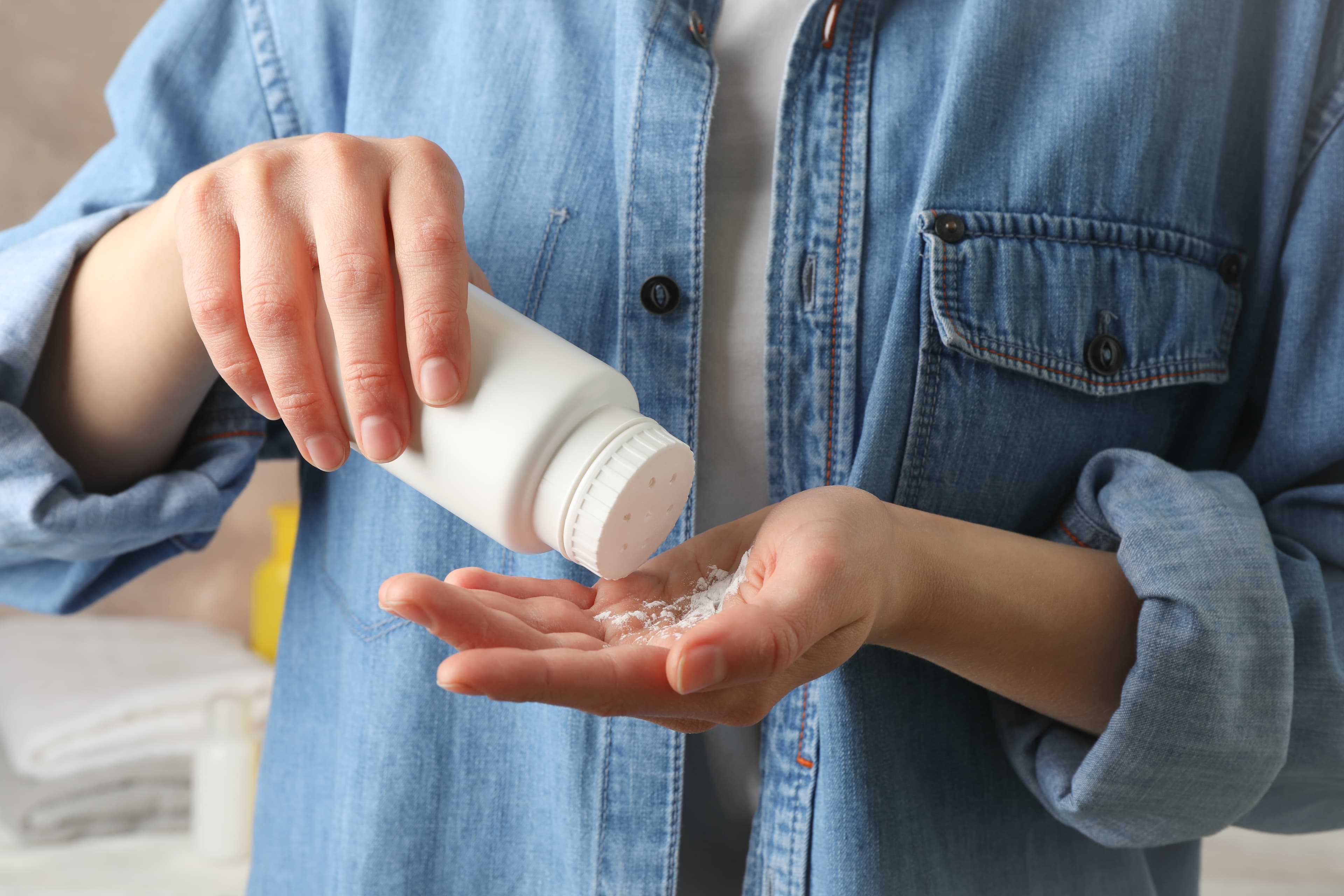
Talcum powder lawsuits have grown into major nationwide litigation involving claims that companies failed to warn consumers about cancer risks associated with long-term use of talc-based products.
For years, talcum powder products were marketed for personal hygiene and everyday use. Thousands of lawsuits now allege that regular use of talc products contributed to ovarian cancer and that manufacturers failed to adequately warn consumers about potential risks.
The ongoing talcum powder ovarian cancer lawsuits have produced some of the largest product liability verdicts and settlements in recent U.S. history. The litigation has also sparked debate among scientists, regulators, manufacturers and consumer advocates about what risks may be associated with talc products and what companies knew about those risks.
The American Cancer Society and the U.S. Food and Drug Administration have both published information examining the scientific and regulatory questions surrounding talc and cancer.
Why Are Talcum Powder Companies Being Sued?
Most talc lawsuits focus on two primary allegations. First, consumers claim that regular use of talcum powder in the genital area increased the risk of developing ovarian cancer. Second, they argue manufacturers failed to provide adequate warnings about that potential risk.
Many lawsuits have focused on products sold by Johnson & Johnson, leading to years of high-profile litigation across the country. The Johnson & Johnson talc lawsuit proceedings have become the most widely known portion of the broader talc litigation.
Some lawsuits also allege that certain talc products contained traces of asbestos, a known carcinogen. Talc and asbestos can occur naturally near one another in the earth, creating concerns about contamination if mining and manufacturing processes are not properly controlled.
Manufacturers have generally disputed allegations that their products caused cancer and have argued that scientific evidence does not establish a causal connection between their talc products and ovarian cancer.
The lawsuits center largely on questions of product safety, scientific evidence and whether consumers received sufficient warnings to make informed decisions.
What Do the Lawsuits Claim About Ovarian Cancer?
The people behind these cases typically allege that long-term use of talcum powder contributed to the development of ovarian cancer. Researchers have studied the issue for decades. Some epidemiological studies have identified an association between genital talc use and ovarian cancer, while others have found limited or inconclusive evidence.
This scientific debate remains a significant part of the litigation. The lawsuits generally focus on whether companies had enough information to justify stronger warnings, even if scientists continue to debate the precise degree of risk.
Many claims involve allegations that companies possessed internal documents, research findings or communications discussing potential safety concerns while continuing to market products without cancer warnings.
The litigation is primarily based on failure-to-warn theories commonly used in product liability cases. Plaintiffs argue that consumers may have made different choices if they had received clearer information regarding potential health risks. These allegations form the basis of many talcum powder cancer claims filed throughout the United States.
Who Qualifies to File a Talcum Powder Lawsuit?
Eligibility depends on the specific facts of each case and applicable state law. Generally, lawsuits have been filed by people who:
Used talcum powder products regularly over an extended period
Were later diagnosed with ovarian cancer
Believe their diagnosis may be connected to long-term talc exposure
In some situations, family members may also pursue claims on behalf of deceased relatives through wrongful death or estate-related legal actions.
Attorneys evaluating potential claims often review product usage history, medical diagnoses and relevant timelines. Because filing deadlines vary by state, individuals considering legal action often seek legal advice soon after learning about possible connections between their diagnosis and talc products.
What Evidence Helps Build a Claim?
There is not a single piece of evidence that can determine whether a claim succeeds, so lawyers assemble evidence from multiple sources, including:
Medical records documenting an ovarian cancer diagnosis
Pathology reports
Treatment records
Product use history
Testimony from the individual and family members
Expert medical opinions
Evidence showing consistent talcum powder use over many years can help establish exposure history. Attorneys also look to scientific literature, corporate records, internal communications and expert testimony regarding product safety and warnings
Many people worry they no longer have receipts or product containers from years earlier, but product liability cases are often built using a combination of personal history, medical documentation and other supporting evidence.
What Is Happening in the Litigation Right Now?
Talc litigation continues to evolve through state courts, federal proceedings and bankruptcy-related legal disputes. Thousands of claims have been consolidated through various mass tort and coordinated litigation processes designed to manage large numbers of similar lawsuits efficiently.
Mass tort proceedings allow courts to address common issues while preserving each plaintiff's individual claim.
One of the most closely watched developments has involved efforts by Johnson & Johnson to resolve large portions of the litigation through bankruptcy-related proceedings connected to a subsidiary company. Those efforts have generated extensive court battles and appeals.
The legal landscape continues to change as courts evaluate settlement proposals, scientific evidence and procedural issues affecting current and future claimants.
For individuals diagnosed with ovarian cancer after long-term talc use, understanding the status of the litigation may help clarify what legal options remain available. As the talcum powder ovarian cancer lawsuits move forward, courts will continue addressing questions about product warnings, corporate responsibility and the evidence linking talc exposure to cancer.
Request a Confidential Case Review
If you were diagnosed with ovarian cancer after years of using talcum powder products, a confidential legal review can help determine whether you may qualify for a claim. An attorney can evaluate your product use history, medical records and the current status of the litigation to explain what options may be available.
Many people are unsure whether they have enough evidence to pursue a case. A case review can help identify what documentation may be useful and whether your circumstances align with the claims currently being litigated.